
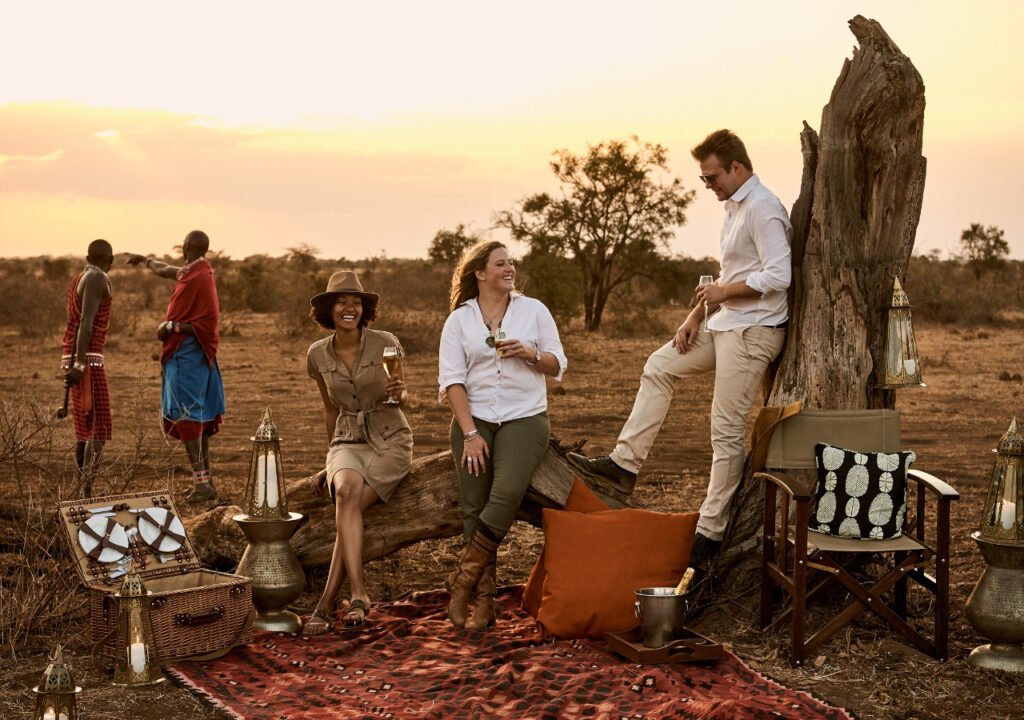
Packing for a Tanzania safari is about more than looking good. It is about comfort, safety, and blending seamlessly into nature. From the vast Serengeti plains to the beaches of Zanzibar, wearing the right clothes ensures that every safari experience is enjoyable and stress-free.
Why Safari Clothing Matters
A safari involves early mornings, long game drives, dusty roads, and occasional walking excursions. Clothing that is breathable, protective, and flexible allows you to remain comfortable in heat and cool mornings while staying safe from sunburn and insect bites. Proper attire also helps you move easily during excursions and appear appropriate at lodges and camps.
Choosing the Right Colors
Neutral earth tones such as khaki, beige, olive green, and brown are ideal. These colors help you blend into the environment and avoid drawing unnecessary attention from wildlife. Bright colors, white, and dark tones like blue or black should generally be avoided as they either attract insects or stand out in the natural surroundings.
Clothing Essentials
Long-sleeve shirts made from lightweight, breathable materials are highly recommended. They provide protection from both the sun and insects while remaining comfortable in warm weather. Lightweight trousers or convertible pants are preferable to jeans, which can be restrictive and uncomfortable during long drives. For mornings or high-altitude areas, a light fleece or windbreaker provides warmth and protection against the wind.
Footwear and Accessories
Closed walking shoes or light hiking shoes are ideal for both vehicle-based and walking safaris. Sandals or flip-flops can be reserved for lodge use. A wide-brimmed hat or cap, UV-protection sunglasses, and a lightweight scarf or buff offer protection from the sun and dust. Sunscreen and insect repellent are essential, and lightweight gloves may be useful for cold early mornings.
Dressing for Different Seasons
During the dry season, layering is important to handle cool mornings and warm afternoons. Long sleeves and trousers remain practical for sun protection, and closed shoes provide comfort over rough terrain. In the rainy or green season, quick-dry fabrics and a light rain jacket help manage sudden showers, and carrying an extra pair of shoes is advisable.
Evening and Lodge Wear
Safari lodges are relaxed but expect a touch of elegance. Casual, comfortable clothing is appropriate, with long trousers and shirts helping to protect against mosquitoes. A light sweater or jacket adds comfort during cooler evenings. There is no need for formal attire.
What to Avoid
Clothing that resembles camouflage is not recommended, and flashy jewelry or strong perfumes should be left at home. Tight or restrictive clothing can interfere with movement, and bright colors may attract insects or disturb wildlife.
Safari Activity Considerations
For game drives, neutral colors and layered clothing help with comfort and camouflage, while closed shoes offer stability during bumpy rides. Walking safaris require long sleeves and trousers for protection, and comfortable hiking shoes are essential. If combining a safari with Zanzibar or other coastal destinations, pack light beachwear while maintaining respectful attire when visiting villages or towns.
Packing Tips
Focus on comfort, practicality, and protection from the elements. Packing light is preferable, as most lodges provide laundry services. Neutral tones, breathable fabrics, and flexible layers make traveling easier while allowing you to enjoy every moment of your Tanzanian adventure.
Conclusion
Dressing appropriately for a Tanzania safari ensures comfort, safety, and a deeper connection to the wildlife and landscapes. By choosing practical, neutral, and season-appropriate clothing, you can fully immerse yourself in the adventure and make every game drive, walking safari, and sunset viewing memorable.